
The Western Regional Directorate of Veterinary Services and the Public Health Directorate have urged the public to immediately suspend the consumption of dog meat following an outbreak of rabies that has claimed two lives in the Wassa East District.
The warning comes after confirmed rabies cases in the district resulted in the deaths of two people, prompting health authorities and other stakeholders to intensify efforts to contain the spread of the deadly viral disease.
Speaking in an exclusive interview with Peace News, the Western Regional Director of Veterinary Services, Dr. Simon Gbene, explained that although properly cooked meat poses less risk, the greatest danger lies in the handling and preparation of infected dogs before cooking.
According to him, the rabies virus is present in the saliva of infected animals and can easily be transmitted to humans through cuts or open wounds during slaughtering and processing.
“The problem is not only the consumption of the meat but the preparation. If the dog has been infected with rabies and a person handling it has a cut on the hand, there is the possibility of contracting the disease because the virus thrives in the saliva of the infected dog,” Dr. Gbene stated.
He described rabies as a highly dangerous and almost always fatal disease once symptoms develop, and appealed to residents to cooperate with health and veterinary authorities to prevent further infections.
Dr. Gbene also expressed concern over the increasing number of stray dogs across the Western Region, saying the situation has made rabies control more challenging. He attributed the difficulty to inadequate personnel within the Environmental Health Departments of the various Metropolitan, Municipal and District Assemblies to manage the stray dog population.
According to him, the uncontrolled movement of stray dogs in both urban and rural communities continues to increase the risk of transmission, making sustained public cooperation essential in the fight against the disease.
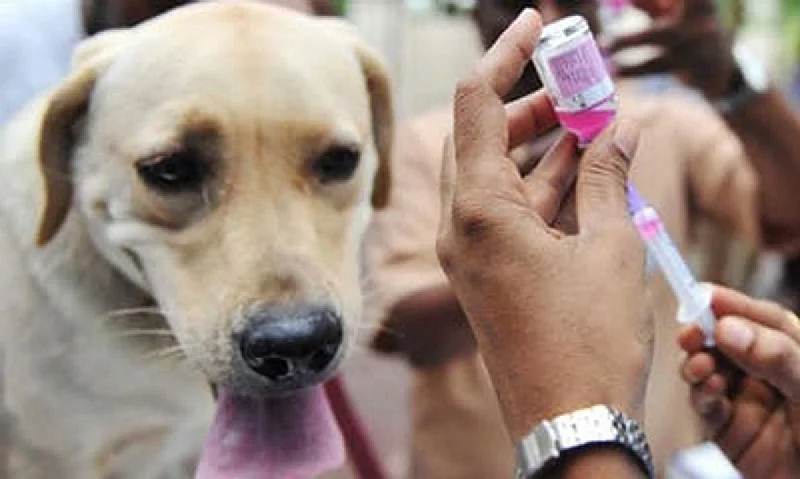
The Veterinary Services Director further reminded dog owners that the law requires all domestic animals, particularly dogs, to be vaccinated against rabies. He stressed that failure to vaccinate pets constitutes a violation of the Local Government Act.
Dr. Gbene dismissed claims that the cost of vaccination is prohibitive, describing such assertions as unfounded. He urged all pet owners to ensure their dogs are vaccinated regularly to protect both human and animal health.
Health authorities have advised members of the public to avoid contact with stray or suspicious animals, report suspected rabies cases immediately, and seek urgent medical attention after any dog bite or exposure to potentially infected animals.
Rabies is a viral disease that affects the central nervous system and is primarily transmitted through the bite or saliva of infected animals. The disease is almost always fatal once clinical symptoms appear but can be prevented through prompt post-exposure treatment and routine vaccination of domestic animals.
Source: Appiah Danquah, Rok fm
